Every generation faces challenges that reshape the questions artists ask and the stories societies tell about themselves. The nineteenth century wrestled with industrialisation and rapid urban change. The twentieth century confronted war, technological transformation and globalisation. The twenty-first century is increasingly defined by a different set of concerns: climate change, biodiversity loss, resource scarcity and growing uncertainty about the future of the natural systems upon which human life depends.
These issues are often discussed in scientific, economic or political terms. Yet they are also profoundly cultural questions. They ask how we understand our relationship with the world, what we value, and what kind of future we wish to imagine. This is one of the reasons why sustainable art matters.
Art cannot solve climate change. It cannot restore ecosystems on its own, nor can it replace scientific research or public policy. What art can do, however, is help us see differently. It can make abstract ideas tangible, encourage empathy, create spaces for reflection and invite us to imagine alternative possibilities. In periods of uncertainty, this capacity becomes extraordinarily valuable.
A Crisis of Relationship
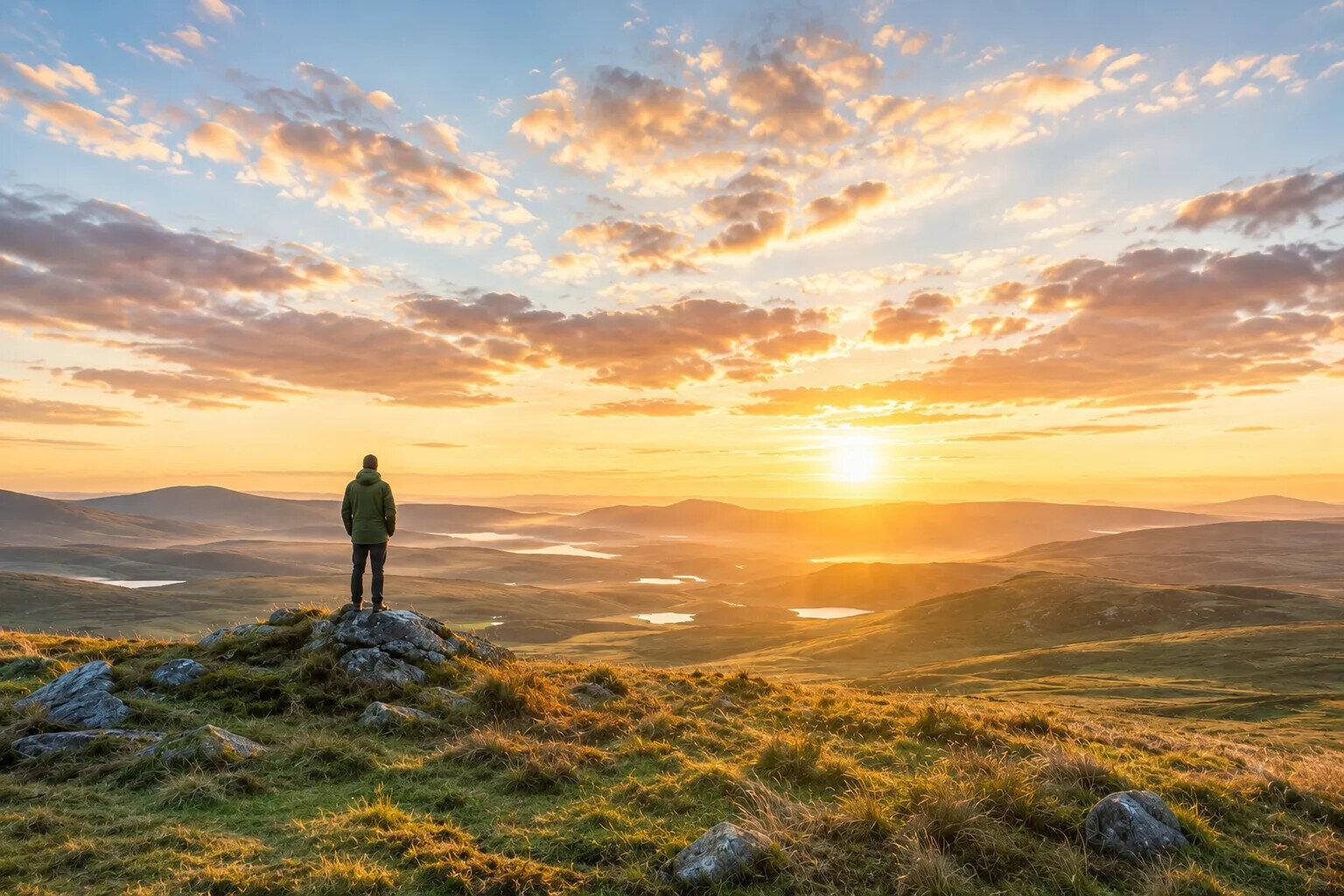
The environmental challenges of our age are often described in terms of numbers. We hear about rising temperatures, declining biodiversity, carbon emissions and changing weather patterns. These measurements are essential because they help us understand the scale and urgency of the problems we face. Yet many scholars and thinkers have argued that the environmental crisis is also a crisis of relationship. It reflects a growing sense of separation between people and the natural systems that sustain life. In many parts of the world, daily experience has become increasingly detached from seasons, landscapes, food production and ecological processes. Nature is often treated as a backdrop to human activity rather than a living system of which we are part. Art can play an important role in addressing this sense of disconnection. By encouraging attention, curiosity and emotional engagement, art can help rebuild relationships between people and the natural world. It can remind us that landscapes are not merely resources and that rivers, forests and ecosystems are not abstract concepts but places of meaning and interdependence.
Environmental challenges are not only scientific or political issues; they also reflect questions about our relationship with the natural world. Art can help rebuild this sense of connection by encouraging attention, reflection and a renewed appreciation of the landscapes and living systems that sustain us.
Making the Invisible Visible
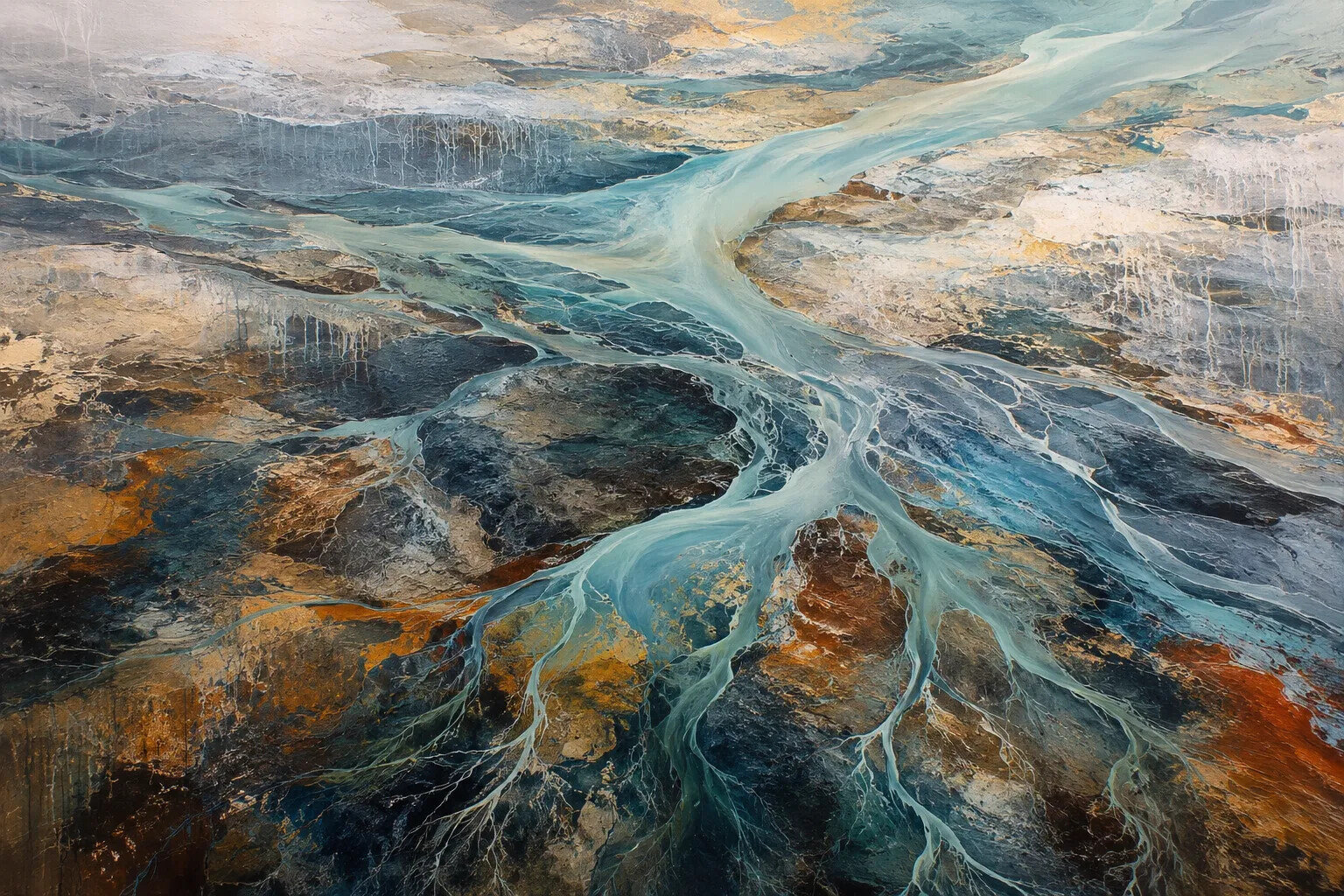
One of art's great strengths lies in its ability to make complex or invisible ideas tangible. Climate change, for example, is difficult to comprehend because much of it occurs beyond immediate human perception. Atmospheric carbon cannot be seen. Ecological systems operate at scales that are often difficult to grasp. Environmental degradation may unfold slowly, over decades or generations. Artists have an extraordinary ability to translate these abstract realities into forms that can be experienced emotionally and imaginatively. Contemporary artists increasingly work with scientific research, environmental data and material experimentation to create works that communicate complexity in ways that are both intellectually engaging and deeply human.
Beauty and the Power of Hope
Conversations about environmental issues can often become dominated by anxiety, catastrophe and loss. Whilst these realities must be acknowledged, there is also a danger that constant exposure to negative narratives can lead to paralysis and despair. Art offers something different.
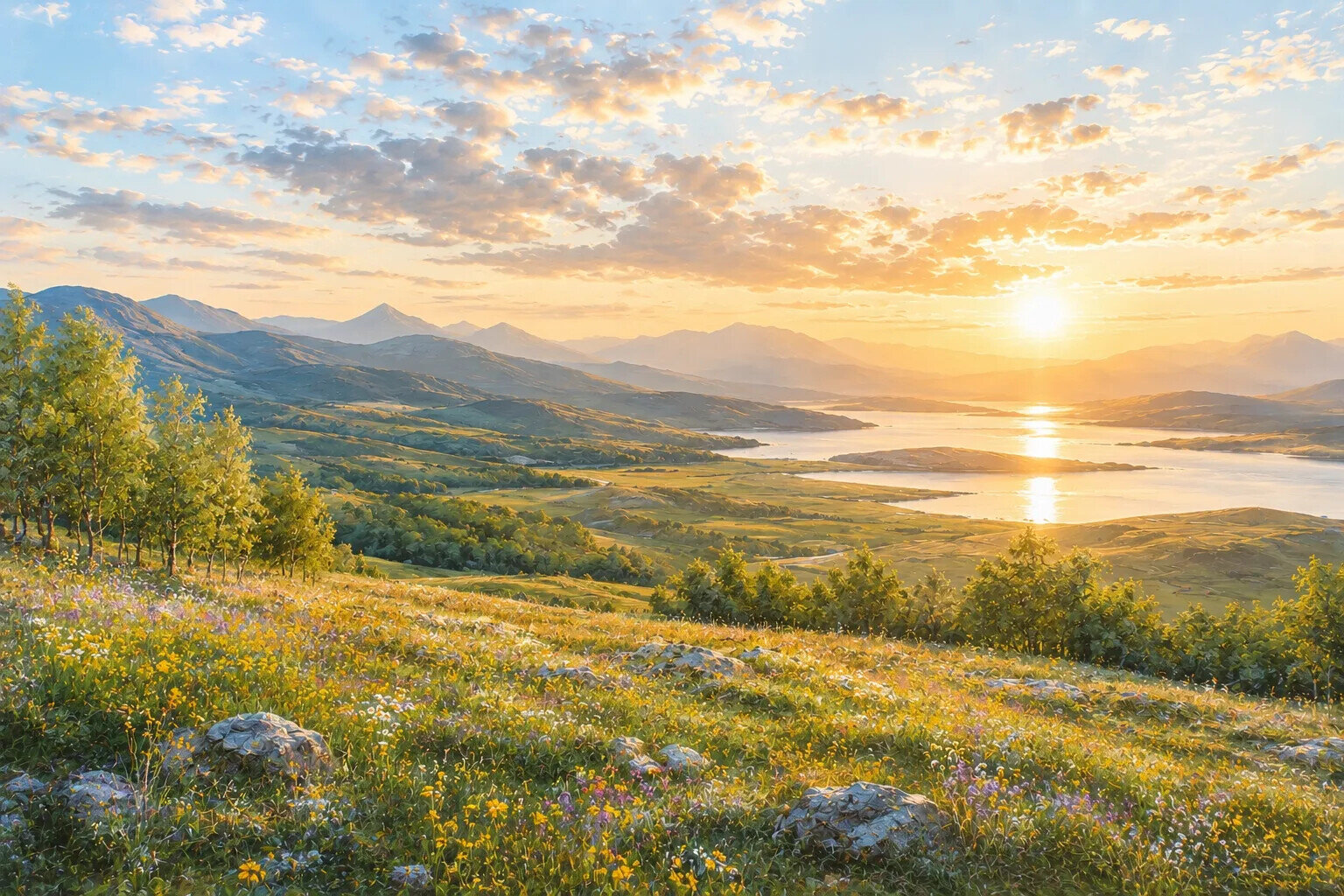
Experiences of beauty can inspire care, curiosity and emotional connection to the natural world. Many sustainable artists create works that invite wonder and contemplation, reminding us of what is valuable and encouraging us to imagine hopeful possibilities for the future.
Reconsidering Value
Sustainability also invites us to think differently about value. Contemporary culture often rewards speed, novelty and consumption. Objects are frequently designed to be replaced rather than cherished, and experiences are increasingly compressed into moments of rapid attention. Art operates differently. Meaningful works of art are often acquired precisely because they endure. They are lived with, returned to and discovered anew over time. They encourage long-term relationships rather than instant gratification. In this sense, collecting art can itself become a quiet act of resistance against disposability.
Collectors increasingly seek works that possess authenticity, craftsmanship and meaningful narratives. They are interested not simply in objects but in ideas, processes and values. This shift is one of the reasons why sustainable art resonates so strongly today. It reflects broader cultural movements towards thoughtfulness, longevity and conscious forms of engagement.
A Collector Perspective
For collectors, value begins with the experience and quality of the work: beauty, originality, conceptual rigour and execution. It is then important to consider the artist’s wider practice, provenance, condition, materials, care requirements, documentation and the credibility of any sustainability claims. Some works may prove of potential long-term collector interest within an individual collection context, but future value is uncertain and never guaranteed.
The Artist as Translator
Throughout history, artists have often acted as interpreters of change. They have helped societies make sense of periods of uncertainty and transformation. They have offered new ways of seeing and imagining. They have challenged assumptions and expanded cultural horizons. Today, many artists are once again fulfilling this role. They are helping us navigate questions that have no simple answers. They are exploring our relationships with technology, ecology and material culture. They are experimenting with new forms of making and asking what responsible creativity might look like in an age of environmental complexity.
This work is important because sustainable futures will require not only scientific innovation and political action but also imagination. We need new stories, new ways of thinking and new forms of cultural expression capable of helping us envision different possibilities. Art has always been one of humanity's most powerful tools for imagining the future.
Chapter Summary
- Environmental challenges are also cultural questions.
- Art helps rebuild relationships between people and the natural world.
- Artists can make invisible systems and abstract ideas tangible.
- Beauty and wonder can inspire care and hope.
- Sustainable art encourages deeper and longer-lasting forms of value.
- Artists play an important role in helping societies imagine different futures.
Questions About Why Sustainable Art Matters
Why does sustainable art matter today?
Sustainable art matters because environmental challenges are also cultural questions. Art can deepen attention, reconnect people with materials and living systems, communicate complex ideas and help society imagine different possibilities.
Can art solve environmental problems?
Art cannot replace scientific research, public policy or direct environmental action. It can, however, make abstract issues tangible, create emotional engagement, encourage reflection and give new ideas a memorable cultural form.
What should collectors look for in sustainable art?
Begin with artistic quality: beauty, originality, conceptual rigour, execution and emotional resonance. Then assess provenance, condition, materials, care, documentation, the artist’s wider practice and whether environmental claims are proportionate and supported.
Continue exploring
The Definitive Guide to Sustainable Art
This guide forms part of Sustainable Art’s independent, evidence-led library for artists, collectors and readers.